
Beds
  • Mattresses
  • Add description, images, menus and links to your mega menu

  • A column with no settings can be used as a spacer

  • Link to your collections, sales and even external links

  • Add up to five columns

  • Free UK Delivery - To room of choice Klarna Buy Now, Pay Later with Klarna Free Fabric Samples Over 20 Years of Experience & Rated Excellent Free UK Delivery Klarna Buy Now, Pay Later with Klarna Free Fabric Samples Over 20 Years of Experience & Rated Excellent

    Orthoapedic Mattresses

    Orthopaedic Mattresses: The Ultimate Buying Guide

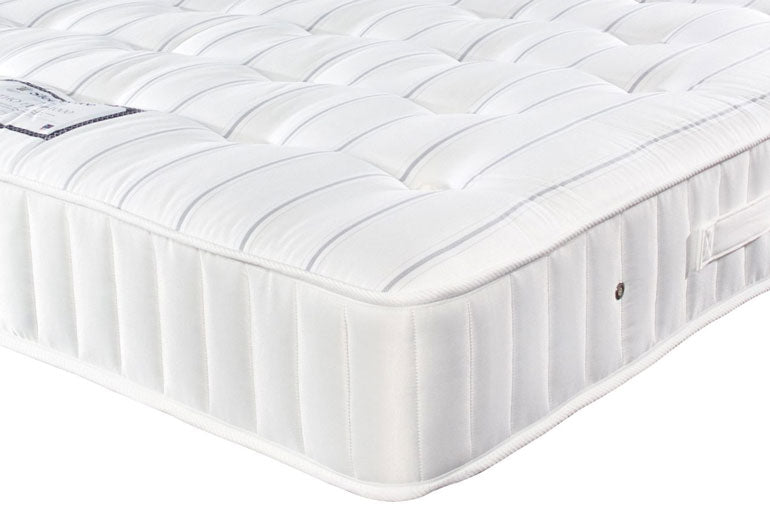
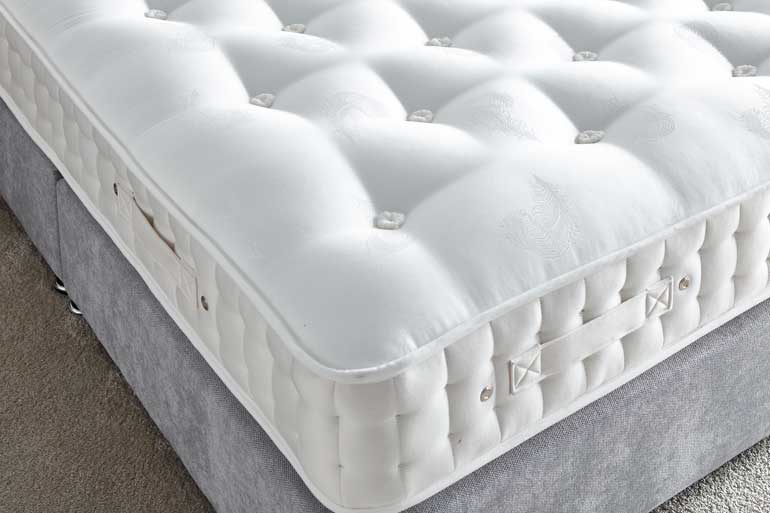
    Orthopaedic mattresses are generally associated with a firmer, more supportive sleeping feel. Rather than describing one particular type of mattress construction, the term is used across a variety of designs, including pocket sprung, open coil, memory foam and reflex foam mattresses.

    This means two orthopaedic mattresses can feel very different. The spring system, foam layers, upholstery, firmness and bed base underneath all contribute to the finished sleeping experience. When comparing mattresses, it's therefore more useful to look at the complete construction than to rely on the orthopaedic description alone.

    1. Understanding the Term Orthopaedic

    The word orthopaedic is commonly used within the mattress industry to describe mattresses designed with a firmer or more supportive feel. It doesn't refer to one specific spring system, filling or recognised level of firmness.

    An orthopaedic mattress also shouldn't be regarded as a medical treatment. A mattress labelled orthopaedic isn't automatically suitable for every sleeper or guaranteed to relieve back or joint problems.

    Comfort is individual, so the mattress should still be selected according to its construction, firmness and how it feels to you.

    2. Firmness and Orthopaedic Mattresses

    Many orthopaedic mattresses have a firm or extra-firm comfort rating, although this isn't universal. Some designs offer a more moderate feel while retaining supportive underlying materials.

    You can compare our Medium-Firm Mattresses and Firm Mattresses if you prefer a more substantial sleeping surface.

    If you're unsure whether a firmer mattress is right for you, it's worth remembering that firmness is subjective. Body weight, sleeping position, comfort layers and the type of bed base underneath can all change how firm the same mattress feels.

    3. Firmness and Support Are Different

    A mattress doesn't need to feel extremely hard to provide effective underlying support.

    The internal spring or foam system provides much of the structural support, while the upper comfort layers determine how cushioned or firm the sleeping surface feels.

    A pocket sprung mattress can therefore provide substantial underlying support while still offering enough upholstery to create a medium-firm or cushioned surface.

    4. Pocket Sprung Orthopaedic Mattresses

    Many orthopaedic mattresses use Pocket Springs as their support system.

    Each spring is enclosed within its own fabric pocket, allowing different areas of the mattress to respond more independently to pressure. Firmer spring tensions and supportive upholstery can then be used to create the more substantial feel commonly associated with orthopaedic mattresses.

    Spring count shouldn't be considered on its own. Spring size, wire gauge, tension, upholstery and overall mattress construction all contribute to the finished feel.

    5. Open Coil Orthopaedic Mattresses

    Traditional orthopaedic mattresses can also use an interconnected open coil spring system.

    Open coil units provide a robust, supportive foundation and are commonly found in firmer mattresses at more accessible price points.

    The overall comfort depends on the spring tension and the layers of upholstery above the unit, so not every open coil orthopaedic mattress will feel identical.

    6. Foam Orthopaedic Mattresses

    Springs aren't essential for an orthopaedic mattress. Some designs use supportive foam layers instead.

    High-density or reflex foams can provide a firmer, more stable sleeping surface without using a traditional spring unit. Different densities and layer combinations allow manufacturers to create varying levels of firmness and cushioning.

    Foam construction can also make some mattresses easier to compress and roll for delivery.

    7. Orthopaedic Mattresses with Memory Foam

    Some firmer mattresses combine supportive foundations with Memory Foam.

    The underlying support system provides the firmer foundation, while memory foam adds pressure-responsive cushioning and contouring across the sleeping surface.

    This means a mattress can retain a firm overall feel without necessarily feeling completely hard at the surface.

    8. Hybrid Orthopaedic Mattresses

    Hybrid Mattresses combine different technologies within one design, commonly pairing springs with foam or other specialist comfort materials.

    A hybrid can also have a firm or orthopaedic feel if its spring system and comfort layers are designed accordingly.

    Hybrid and orthopaedic therefore aren't competing mattress categories: one describes a type of construction, while the other is generally associated with the intended support and firmness of the finished mattress.

    9. Natural Orthopaedic Mattresses

    Some firmer pocket sprung mattresses incorporate Natural Fillings such as wool, cotton and other fibres.

    These materials can provide cushioning and breathability above a supportive spring system without relying entirely on foam comfort layers.

    Natural content varies considerably between mattresses, so check the individual specification if the type or amount of natural upholstery is important to you.

    10. Cool Gel and Firmer Mattresses

    Orthopaedic or firmer mattresses can also incorporate modern cooling materials. Cool Gel Mattresses may combine gel-infused foam or other temperature-management technologies with supportive springs or foam bases.

    This allows a mattress to provide a firmer overall sleeping feel while still incorporating cushioning and cooling-focused comfort materials.

    The exact cooling technology varies between manufacturers, so compare the full mattress construction when temperature management is important to you.

    11. Orthopaedic Mattress Sizes

    Orthopaedic mattresses are available across many standard UK mattress sizes:

    Not every mattress is produced in every size, so check the options available on the individual product page.

    12. Sleeping Position and Comfort

    Sleeping position can influence how comfortable a firmer mattress feels.

    Side sleepers generally place more concentrated pressure through the shoulders and hips, making sufficient surface cushioning important. Back and front sleepers may prefer a firmer sensation, although this varies with body weight and personal preference.

    This is why choosing an orthopaedic mattress purely because it is the firmest option available isn't necessarily the best approach. The mattress still needs to provide a comfortable sleeping surface for the individual.

    13. Body Weight and Mattress Feel

    The same mattress can feel very different to sleepers of different body weights.

    A heavier sleeper will generally compress the comfort layers and spring system more than a lighter sleeper, potentially making the mattress feel softer. A lighter sleeper may experience the same mattress as considerably firmer.

    This makes stated firmness a useful guide rather than an absolute measurement of how the mattress will feel to every person.

    14. Orthopaedic Mattresses for Couples

    When two people share a mattress, both sleepers need to be comfortable with the firmness.

    Pocket sprung orthopaedic mattresses can be useful because the individual springs respond independently to pressure, while larger mattress sizes provide each sleeper with more personal space.

    If the two sleepers have very different body weights or comfort preferences, consider the complete mattress construction rather than simply assuming the firmest option will suit both.

    15. Mattress Depth

    Orthopaedic mattresses are available in many different depths depending on their internal construction.

    A deeper mattress may contain a substantial spring unit and multiple upholstery layers, while a shallower foam mattress can still provide a firm sleeping surface.

    Depth alone therefore doesn't indicate how supportive, firm or durable a mattress will be.

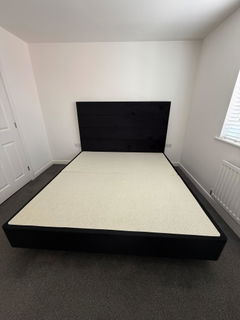
    16. Platform-Top Divan Bases

    A platform-top divan provides a stable, relatively firm supporting surface beneath the mattress.

    This can complement a firmer orthopaedic mattress where a substantial overall sleeping feel is preferred.

    Because the base itself doesn't add significant cushioning, much of the finished comfort comes from the mattress above it.

    17. Sprung Divan Bases

    A sprung divan contains additional springs or cushioning within the base itself.

    This introduces another layer of responsiveness underneath the mattress and can make the same orthopaedic mattress feel slightly softer or more cushioned than it would on a firm platform top.

    The complete bed therefore needs to be considered rather than viewing the mattress and base as entirely separate components.

    18. Slatted Bed Frames

    Orthopaedic mattresses can also be used on suitable slatted bed frames where the mattress manufacturer allows it.

    Solid slats generally provide a firmer supporting surface, while sprung slats introduce some flexibility underneath the mattress.

    Always check the maximum permitted spacing between the slats, particularly with foam and pocket sprung mattress constructions.

    19. Orthopaedic Mattresses and Ottoman Beds

    Firm and orthopaedic mattresses can be used on compatible ottoman beds, provided the size and weight are suitable for the lifting mechanism.

    Some deep pocket sprung orthopaedic mattresses can be relatively heavy. The ottoman's gas-lift pistons need to be designed to work with the weight of the mattress being used.

    Always compare the mattress weight with the requirements of the individual ottoman bed before ordering.

    20. Rolled Orthopaedic Mattresses

    Some supportive foam and sprung orthopaedic mattresses are available within our Rolled Mattress range.

    Compression makes the mattress easier to transport and manoeuvre before it is unpacked. After opening, it should be given sufficient time to expand according to the manufacturer's instructions.

    Being supplied rolled doesn't determine whether a mattress is soft or firm; it simply relates to how the mattress is packaged for delivery.

    21. Single-Sided and Double-Sided Designs

    Orthopaedic mattresses can be either single-sided or double-sided.

    Single-sided mattresses have one sleeping surface and are generally rotated from head to foot rather than turned over.

    Double-sided mattresses have comfort upholstery on both sides and can usually be turned as well as rotated.

    Follow the manufacturer's care instructions because turning and rotation schedules vary between mattresses.

    22. Mattress Care and Long-Term Performance

    Use the mattress on a suitable supportive base and follow the manufacturer's care instructions from the beginning.

    A mattress protector can help protect the sleeping surface, while turning or rotating the mattress where required can encourage more even settlement and wear.

    When comparing orthopaedic mattresses, focus on the firmness, spring or foam system, comfort layers, body weight suitability and supporting bed base rather than choosing solely because a mattress carries the orthopaedic label.

    Frequently Asked Questions

    What is an orthopaedic mattress?
    Orthopaedic is a term commonly used for mattresses designed to provide a firmer, more supportive sleeping feel. It doesn't describe one specific mattress construction, and orthopaedic mattresses can use springs, foam or combinations of different materials.

    Are orthopaedic mattresses good?
    They can be a good choice for sleepers who prefer a firmer, more substantial sleeping surface. However, comfort is individual, and the word orthopaedic doesn't automatically mean a mattress will suit every sleeper.

    Are orthopaedic mattresses good for back pain?
    An orthopaedic label doesn't guarantee that a mattress will relieve or treat back pain. Mattress comfort and support needs vary between individuals, and back pain can have many causes. Choose a mattress based on suitable comfort and support rather than relying on the orthopaedic description as a medical claim.

    Are orthopaedic mattresses always firm?
    They are commonly associated with firm or extra-firm comfort levels, but this isn't a fixed rule. The finished feel depends on the springs, foam and upholstery used within the individual mattress.

    Is a firm mattress the same as an orthopaedic mattress?
    Not necessarily. Firm describes the comfort feel of a mattress, while orthopaedic is a broader term commonly used for supportive mattress designs. A mattress can be firm without being marketed as orthopaedic.

    Is an orthopaedic mattress better than a normal mattress?
    Not automatically. An orthopaedic mattress may be preferable if you enjoy a firmer sleeping surface, while another sleeper may be more comfortable on a medium or softer mattress. The best choice depends on the individual's requirements and preferences.

    Is a harder mattress better for your back?
    Not necessarily. A very hard mattress isn't automatically more suitable for every sleeper or every type of back discomfort. The mattress should provide appropriate support while still being comfortable for your body and sleeping position.

    Are orthopaedic mattresses good for side sleepers?
    They can be, provided the mattress offers enough cushioning around pressure-sensitive areas such as the shoulders and hips. Some side sleepers may find very firm mattresses uncomfortable, so body weight and personal preference should be considered.

    Are orthopaedic mattresses good for back sleepers?
    A firmer orthopaedic mattress can suit some back sleepers who prefer a more substantial sleeping surface. The appropriate firmness still depends on body weight, mattress construction and personal comfort preference.

    Are orthopaedic mattresses good for front sleepers?
    Some front sleepers prefer a firmer mattress with less initial sink, but there isn't one firmness that suits everyone. Body weight and individual comfort should still be considered.

    Can you get a pocket sprung orthopaedic mattress?
    Yes. Many orthopaedic mattresses use pocket spring systems, combining independently responsive springs with firmer upholstery and comfort layers.

    Can you get a memory foam orthopaedic mattress?
    Yes. Memory foam can be combined with firmer support foam or springs to create a mattress with a supportive overall feel while retaining pressure-responsive cushioning at the surface.

    Can an orthopaedic mattress be a hybrid mattress?
    Yes. Hybrid describes a mattress that combines different technologies, such as springs and foam, while orthopaedic generally describes a firmer or supportive intended feel. A mattress can therefore fit both descriptions.

    Are orthopaedic mattresses good for heavier sleepers?
    They can be, provided the spring or foam system, firmness and overall construction are suitable for the individual. Body weight affects how deeply the mattress compresses, so the right mattress depends on more than the orthopaedic label alone.

    Do orthopaedic mattresses soften over time?
    Comfort layers can settle slightly with normal use, which may change how a new mattress feels. Some initial settlement is normal, while excessive or uneven deterioration is different from ordinary bedding-in.

    How long does an orthopaedic mattress last?
    There is no fixed lifespan for every orthopaedic mattress. Durability depends on the springs or foam, upholstery, frequency of use, sleeper, supporting base and how well the mattress is maintained.

    Do orthopaedic mattresses need turning?
    This depends on the individual construction. Some double-sided mattresses should be turned and rotated, while single-sided mattresses are generally rotated only. Always follow the manufacturer's care instructions.

    Can you put an orthopaedic mattress on a slatted bed?
    Usually, provided the bed provides suitable support and the slat spacing meets the mattress manufacturer's requirements. Solid and sprung slats can also influence how firm the complete bed feels.

    Can you put an orthopaedic mattress on a divan base?
    Yes, provided the mattress and divan are compatible. A platform-top divan generally creates a firmer overall feel, while a sprung divan adds some additional cushioning underneath the mattress.

    Can you use an orthopaedic mattress on an ottoman bed?
    Yes, provided the mattress is the correct size and its weight is suitable for the ottoman bed's gas-lift mechanism. Deep pocket sprung orthopaedic mattresses can be relatively heavy, so check the individual bed specification.

    Can orthopaedic mattresses come rolled?
    Yes. Some foam and sprung orthopaedic mattresses can be compressed and rolled for easier delivery, while other constructions are supplied flat.

    What firmness should I choose for an orthopaedic mattress?
    Choose according to your body weight, sleeping position and preferred sleeping feel rather than automatically selecting the firmest option. A mattress should provide suitable underlying support while remaining comfortable for the individual sleeper.