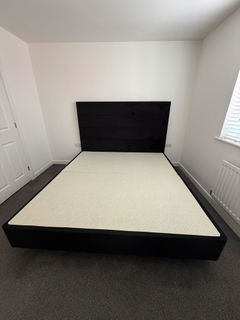

Beds
  • Mattresses
  • Add description, images, menus and links to your mega menu

  • A column with no settings can be used as a spacer

  • Link to your collections, sales and even external links

  • Add up to five columns

  • Free UK Delivery - To room of choice Klarna Buy Now, Pay Later with Klarna Free Fabric Samples Over 20 Years of Experience & Rated Excellent Free UK Delivery Klarna Buy Now, Pay Later with Klarna Free Fabric Samples Over 20 Years of Experience & Rated Excellent

    Natural Mattresses

    Natural Mattresses: The Ultimate Buying Guide

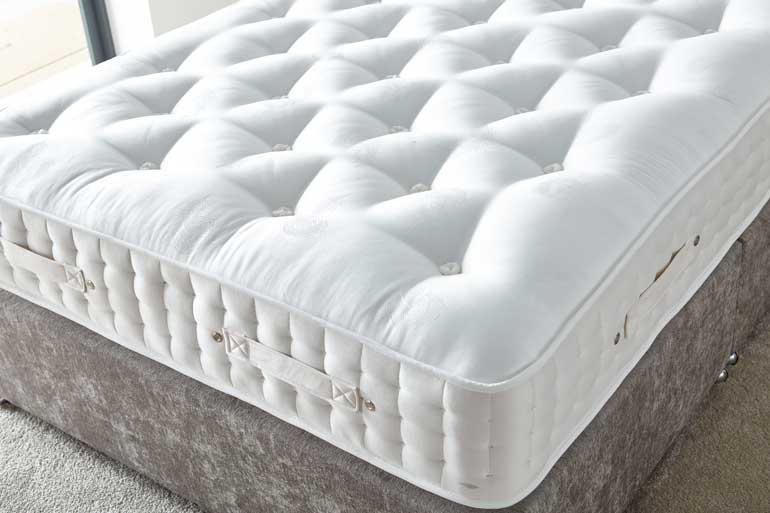
    Natural mattresses use materials such as wool, cotton and other natural fibres within their comfort layers, often combined with pocket spring systems and traditional upholstery techniques. These materials can provide cushioning, breathability and a responsive sleeping feel without relying entirely on synthetic foam.

    Not every mattress described as natural contains the same materials or the same proportion of natural upholstery. The type and quantity of fillings, spring system, firmness, tufting and overall construction all contribute to how the mattress feels. Looking at the full specification is therefore more useful than relying on the word “natural” alone.

    1. Natural Mattress Fillings

    Natural mattresses can contain a variety of comfort materials, including wool, cotton and other natural fibres. These fillings are layered above and around the spring system to create cushioning and contribute to the overall sleeping feel.

    Different combinations create different levels of softness, resilience and breathability, so the exact filling specification is important when comparing individual mattresses.

    2. Wool in Natural Mattresses

    Wool is commonly used in traditionally upholstered mattresses because it provides soft cushioning and has natural temperature-regulating properties.

    It can help create a comfortable sleeping environment across changing seasons while also adding loft and resilience to the upholstery layers.

    The amount and position of wool within the mattress varies considerably between products, so check the individual specification where natural wool content is important to you.

    3. Cotton and Other Natural Fibres

    Cotton is often used alongside wool and other natural materials within mattress upholstery.

    It provides soft, breathable cushioning and can help create a lighter, more responsive comfort layer above the spring system.

    Some mattresses also incorporate additional natural fibres depending on the manufacturer and range. The blend of materials contributes to both the feel and character of the mattress.

    4. Pocket Sprung Natural Mattresses

    Many Pocket Sprung Mattresses use natural upholstery above the spring system.

    Individual pocket springs respond independently to pressure, while layers of wool, cotton and other fibres provide the cushioning above them.

    This combination can create a responsive, traditionally upholstered mattress with good airflow through the spring unit and natural comfort materials at the surface.

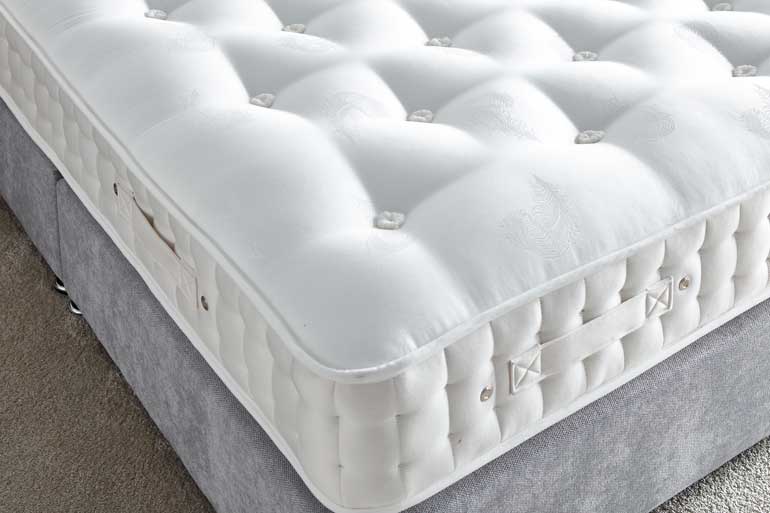
    5. Hand-Tufted Construction

    Natural and traditionally upholstered mattresses are often hand tufted.

    Tufting secures the layers of fillings through the depth of the mattress, helping keep the upholstery in position and stabilise the construction.

    The visible tufts are therefore not merely decorative; they are part of the way the mattress is held together.

    6. Natural Mattress Firmness

    Natural fillings don't determine whether a mattress is soft or firm. The overall firmness comes from the combination of spring tension, upholstery and mattress construction.

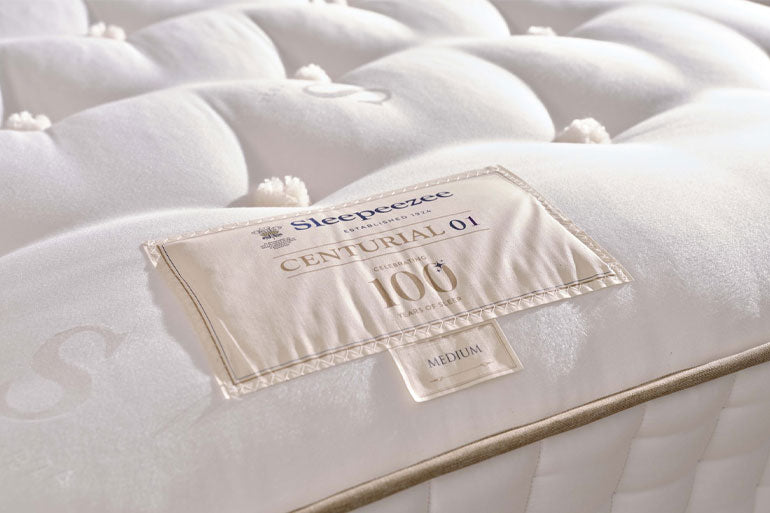
    Our range includes Soft Mattresses, Medium Mattresses, Medium-Firm Mattresses and Firm Mattresses.

    • Soft: More cushioning and greater initial sink into the upholstery.
    • Medium: A balanced combination of cushioning and support.
    • Medium-Firm: A more supportive feel while retaining noticeable comfort.
    • Firm: A more substantial sleeping surface with less initial sink.

    Firmness remains subjective and can feel different depending on body weight, sleeping position and the bed base underneath.

    7. Breathability and Temperature Regulation

    Natural materials are often chosen for their breathability and ability to manage moisture and temperature within the sleeping environment.

    Wool in particular is commonly valued for its ability to help regulate warmth, while cotton and other breathable fibres can encourage airflow through the comfort layers.

    The spring unit can also provide open space within the mattress structure, allowing more air movement than some dense all-foam constructions.

    8. Natural Mattresses vs Memory Foam

    Memory Foam Mattresses and natural mattresses provide quite different sleeping sensations.

    Memory foam contours more closely around the body and tends to create a more enveloping feel, while natural upholstery generally feels more responsive and buoyant.

    Neither construction is automatically better. The right choice depends on whether you prefer a more contouring foam feel or a more traditionally upholstered sleeping surface.

    9. Natural Mattresses vs Hybrid Mattresses

    Hybrid Mattresses usually combine springs with foam or other performance materials, while natural mattresses focus more heavily on natural upholstery such as wool and cotton.

    Some mattresses can blur these categories by combining springs, natural fibres and modern performance materials within the same design.

    The most useful approach is to compare the actual spring system, comfort layers and firmness rather than relying on the category name alone.

    10. Natural Mattresses and Cool Gel

    Cool Gel Mattresses use engineered cooling technologies, while natural mattresses tend to rely more on the inherent breathability of their upholstery materials.

    These are different approaches to temperature management rather than direct alternatives. Some sleepers prefer the feel of natural fibres, while others prefer foam-based cooling technologies.

    11. Natural Orthopaedic Mattresses

    Natural fillings can also be used within firmer or Orthopaedic Mattresses.

    A firmer pocket spring system can be combined with wool, cotton or other natural upholstery to create a substantial sleeping surface without relying solely on foam.

    The orthopaedic description relates more to the intended support and firmness than to the type of filling used.

    12. Natural Mattress Sizes

    Natural mattresses are available across many standard UK mattress sizes:

    Not every natural mattress is produced in every size, so check the options available on the individual product page.

    13. Natural Mattresses for Couples

    Natural pocket sprung mattresses can work particularly well for couples because independently moving pocket springs allow different areas of the mattress to respond separately to pressure.

    Natural upholstery also tends to retain a more buoyant, responsive feel than dense memory foam, which some couples may prefer.

    Mattress width, firmness and edge support should also be considered when two people regularly share the bed.

    14. Edge Support

    Some natural pocket sprung mattresses incorporate reinforced edge support using firmer perimeter springs or specialist border systems.

    This can help create a more stable sensation around the outside of the mattress and maximise the usable sleeping area.

    Edge construction varies between individual mattresses, so check the product specification where this feature is important.

    15. Mattress Depth

    Natural mattresses can be relatively deep because they may contain substantial pocket spring systems and several layers of upholstery.

    A deeper mattress isn't automatically better. What matters is the quality and purpose of the materials inside it and how the layers work together.

    Depth also contributes to the overall height of the finished bed, particularly when combined with a tall divan base.

    16. Platform-Top Divan Bases

    A platform-top divan provides a stable, firm surface underneath the mattress.

    This can allow the natural mattress itself to provide most of the cushioning and responsiveness while the base remains relatively rigid.

    The same mattress can therefore feel slightly firmer on a platform top than on a sprung divan base.

    17. Sprung Divan Bases

    A sprung divan base introduces another layer of cushioning and responsiveness underneath the mattress.

    This can complement a natural pocket sprung mattress and create a softer, more responsive overall bed feel.

    The base and mattress should therefore be considered together rather than treating the mattress as the only factor affecting comfort.

    18. Slatted Bed Frames

    Natural pocket sprung mattresses can also be used on suitable slatted bed frames where permitted by the mattress manufacturer.

    Solid slats generally provide firmer support, while sprung slats introduce some additional flexibility.

    Always check the maximum recommended spacing between the slats, particularly with pocket sprung mattress constructions.

    19. Natural Mattresses and Ottoman Beds

    Natural mattresses can be used on compatible ottoman beds, but mattress weight is important.

    Deep pocket sprung mattresses with substantial natural upholstery can be relatively heavy. The ottoman's gas-lift pistons need to be designed to work with the weight of the mattress being used.

    Always check the mattress weight against the specification of the individual ottoman bed.

    20. Single-Sided and Double-Sided Natural Mattresses

    Natural mattresses can be either single-sided or double-sided.

    Double-sided designs often feature upholstery on both surfaces and can be turned as well as rotated, while single-sided designs generally require rotation from head to foot.

    Traditionally upholstered mattresses can be substantial and heavy, so follow the manufacturer's handling and care instructions.

    21. Settlement of Natural Fillings

    Natural upholstery layers can compress and settle with normal use as the mattress adapts to the sleeper.

    This settlement is different from structural failure and is a normal characteristic of many traditionally upholstered mattresses.

    Regular turning or rotation where recommended can help encourage the fillings to settle more evenly across the sleeping surface.

    22. Mattress Protectors and Natural Materials

    A suitable mattress protector can help protect natural upholstery from spills, moisture and everyday wear.

    Breathability is one of the attractions of natural mattress fillings, so choose a protector that doesn't unnecessarily restrict airflow or alter the feel of the mattress.

    Always check the care and warranty instructions supplied with the mattress.

    23. Rolled Natural Mattresses

    Some mattresses containing natural fibres may also be available within our Rolled Mattresses range, depending on their construction.

    However, traditionally upholstered mattresses with substantial natural fillings aren't always suitable for compression and may instead be delivered flat.

    Packaging method doesn't determine mattress quality; it simply reflects what the particular construction allows.

    24. Comparing Natural Content

    The phrase “natural mattress” can cover a wide range of constructions. One mattress may contain several substantial natural upholstery layers, while another may use natural fibres alongside synthetic comfort materials.

    If the amount or type of natural content is important to you, read the individual specification carefully rather than relying solely on the product name.

    Look for clear details about the materials used and how they are incorporated into the mattress.

    25. Mattress Care and Long-Term Performance

    Use the mattress on a suitable supportive base and follow the manufacturer's care instructions.

    Regular turning or rotation where required can help natural upholstery settle more evenly, while a suitable mattress protector can help keep the sleeping surface in good condition.

    When comparing natural mattresses, consider the spring system, type and quantity of natural fillings, firmness, tufting, edge support and overall construction together.

    Frequently Asked Questions

    What is a natural mattress?
    A natural mattress uses natural materials such as wool, cotton or other fibres within its comfort layers. Many natural mattresses combine these fillings with pocket springs and traditional upholstery techniques.

    Are natural mattresses good?
    They can be an excellent choice for sleepers who prefer breathable, traditionally upholstered comfort materials and a more responsive feel than dense foam. The actual comfort depends on the spring system, firmness and amount of natural upholstery used.

    What are the benefits of a natural mattress?
    Natural materials such as wool and cotton are commonly valued for breathability, cushioning and temperature regulation. When combined with pocket springs, they can create a responsive and comfortable sleeping surface.

    Are natural mattresses cooler than memory foam?
    Natural fillings such as wool and cotton are breathable and can provide a different temperature feel from dense memory foam. However, sleeping temperature depends on the complete mattress construction, bedding, room temperature and the individual sleeper.

    Are wool mattresses hot?
    Wool is naturally temperature regulating rather than simply being a warm material. It can help manage heat and moisture across changing temperatures, although the overall sleeping environment still depends on the complete mattress construction and bedding.

    Are natural mattresses good for hot sleepers?
    They can be worth considering because natural fibres such as wool and cotton are breathable and are often combined with spring systems that allow air to circulate through the mattress.

    Are natural mattresses good for side sleepers?
    They can be, provided the mattress has sufficient cushioning around pressure-sensitive areas such as the shoulders and hips. Firmness and upholstery depth should suit the individual sleeper.

    Are natural mattresses good for back sleepers?
    Yes, provided the spring system and firmness offer the level of support and comfort preferred by the individual. Natural mattresses are available across different firmness levels.

    Are natural mattresses good for couples?
    They can be particularly suitable when combined with pocket springs, as each spring can respond more independently to pressure. Natural upholstery also provides cushioning without necessarily creating the deeper contouring sensation associated with memory foam.

    Are natural mattresses firm?
    They can be soft, medium, medium-firm or firm. Natural describes the type of upholstery rather than the comfort rating, so firmness depends on the spring system and overall construction.

    Are natural mattresses better than memory foam?
    Neither is automatically better. Natural mattresses generally provide a more breathable and responsive traditional feel, while memory foam offers more pronounced contouring and pressure-responsive cushioning. The better choice depends on your preferred sleeping sensation.

    Are natural mattresses better than synthetic mattresses?
    Not necessarily. Natural and synthetic materials have different characteristics. Natural fibres may appeal for their breathability and traditional feel, while modern foams and fibres can provide specific cushioning, cooling or resilience properties.

    Can natural mattresses have pocket springs?
    Yes. Pocket springs are commonly used in natural mattresses, providing responsive underlying support beneath layers of wool, cotton and other natural fibres.

    Can a natural mattress be orthopaedic?
    Yes. A mattress can combine natural upholstery with a firmer spring system to create a more supportive or orthopaedic-style feel.

    Do natural mattresses contain foam?
    Some do and some don't. The term natural doesn't necessarily mean every component is natural. Check the individual mattress specification if you're looking for a particular level of natural content or want to avoid certain materials.

    Do natural mattresses smell?
    Natural materials can have a mild characteristic odour when new, just as other mattress materials can. This generally varies according to the fillings used and may reduce after the mattress has been aired.

    Do natural mattresses settle?
    Yes. Natural upholstery can compress and settle with normal use as the mattress adapts to the sleeper. Some settlement is a normal characteristic of traditionally upholstered mattresses and is different from structural sagging.

    Do natural mattresses need turning?
    This depends on the construction. Many traditionally upholstered natural mattresses are double-sided and require turning and rotating, while some designs are single-sided and should only be rotated. Always follow the manufacturer's instructions.

    How long do natural mattresses last?
    There is no fixed lifespan for every natural mattress. Durability depends on the quality of the spring system and upholstery, frequency of use, supporting bed base and how well the mattress is cared for.

    Can you put a natural mattress on a slatted bed?
    Usually, provided the bed offers suitable support and the slat spacing meets the mattress manufacturer's requirements. Deep pocket sprung natural mattresses can be substantial, so the bed frame must also provide adequate support.

    Can you put a natural mattress on an ottoman bed?
    Yes, provided the mattress is the correct size and its weight is suitable for the ottoman bed's gas-lift mechanism. Deep natural pocket sprung mattresses can be relatively heavy, so check the individual bed specification.

    Are natural mattresses heavy?
    They can be. Substantial pocket spring units combined with multiple layers of wool, cotton and other upholstery can make some natural mattresses relatively heavy, particularly in king and super king sizes.