
Beds
  • Mattresses
  • Add description, images, menus and links to your mega menu

  • A column with no settings can be used as a spacer

  • Link to your collections, sales and even external links

  • Add up to five columns

  • Free UK Delivery - To room of choice Klarna Buy Now, Pay Later with Klarna Free Fabric Samples Over 20 Years of Experience & Rated Excellent Free UK Delivery Klarna Buy Now, Pay Later with Klarna Free Fabric Samples Over 20 Years of Experience & Rated Excellent
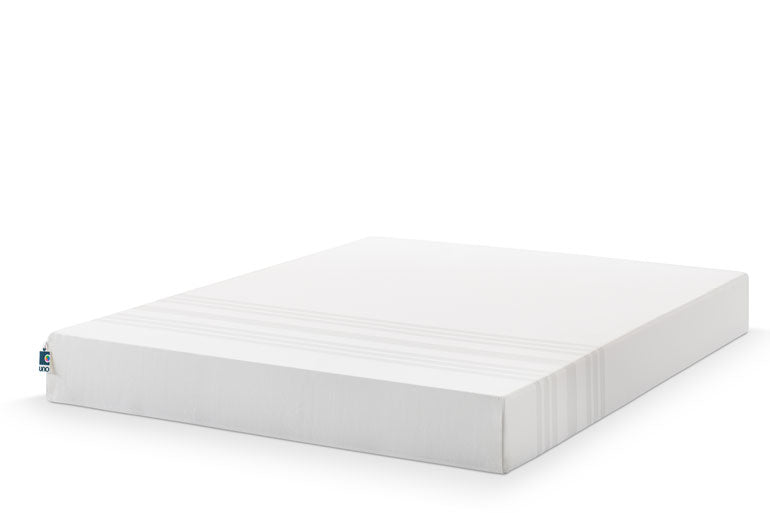
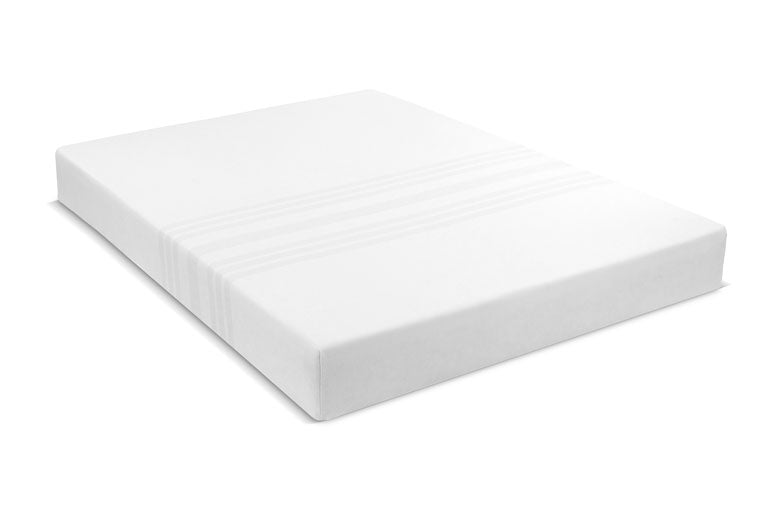
    Memory Foam Mattresses

    Memory Foam Mattresses: The Ultimate Buying Guide

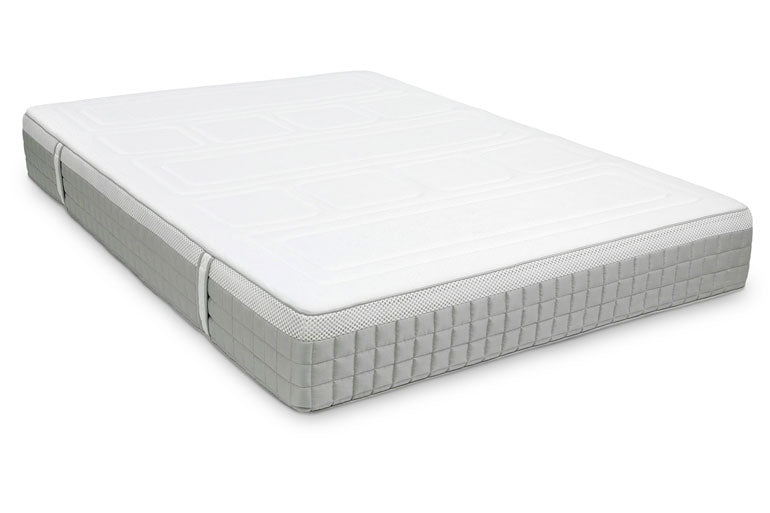
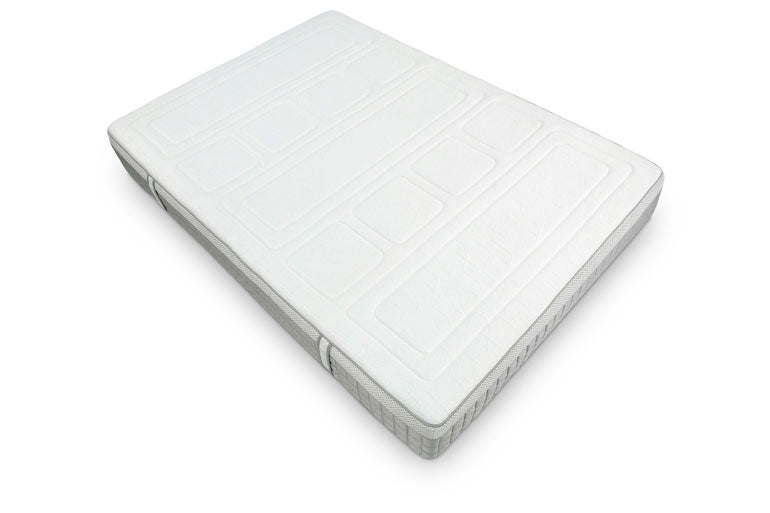
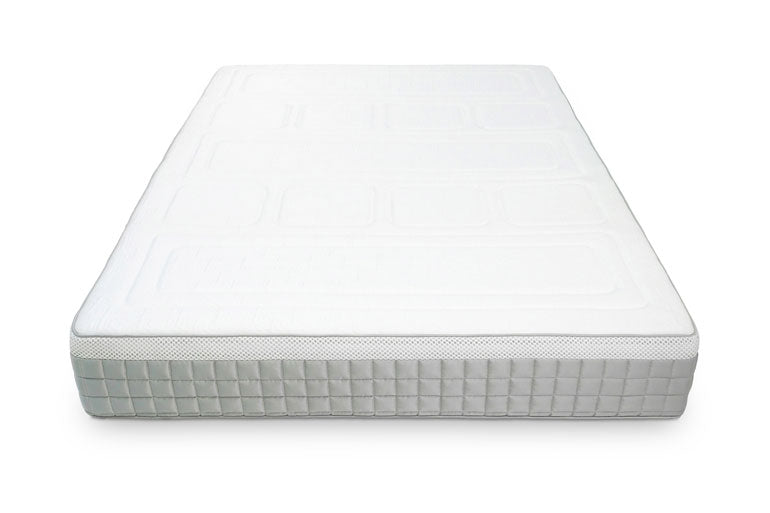
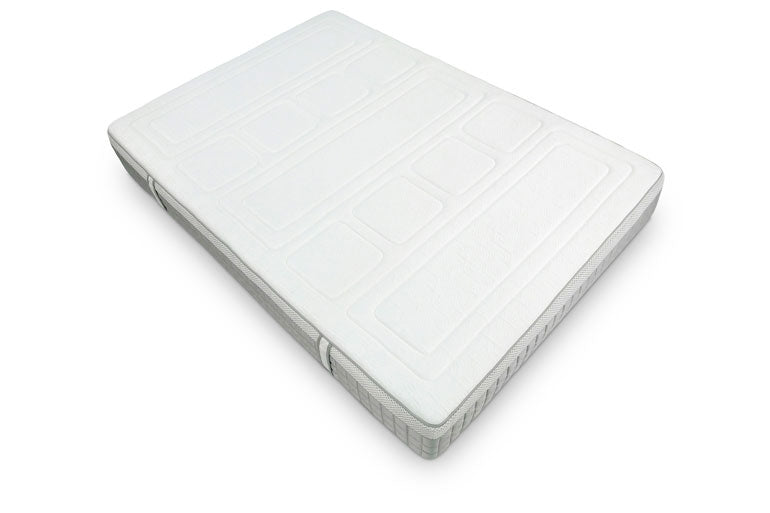
    Memory foam mattresses are known for their ability to respond to heat and pressure, moulding around the body to create a more contouring sleeping surface. Unlike traditional fibre upholstery, memory foam compresses gradually under pressure and then returns towards its original shape when the pressure is removed.

    Not every memory foam mattress is constructed in the same way. Foam depth, density, support layers, firmness, cooling technologies and whether the mattress includes springs can all make a significant difference to how it feels. Understanding these features can make it much easier to compare individual mattresses.

    1. How Memory Foam Works

    Memory foam is a pressure-responsive material designed to soften slightly in response to body heat and weight. As you lie on the mattress, the foam contours around the body and distributes pressure across a wider area.

    This creates the characteristic cushioning and body-hugging sensation associated with memory foam. Once pressure is removed, the material gradually recovers towards its original shape.

    The speed of response varies between different foams. Some traditional memory foams have a slower, more enveloping feel, while newer formulations can respond more quickly and create a less pronounced sinking sensation.

    2. Memory Foam Comfort and Pressure Relief

    One of the main reasons people choose memory foam is its ability to contour around pressure-sensitive areas of the body.

    The foam compresses more beneath areas carrying greater weight, helping spread pressure across the sleeping surface rather than concentrating it around specific points such as the shoulders and hips.

    The level of pressure relief depends on the depth, density and formulation of the foam as well as the support system underneath it.

    3. Memory Foam Mattress Firmness

    Memory foam doesn't automatically mean soft. The overall firmness of the mattress depends on the depth and density of the memory foam, the supporting layers underneath and the complete mattress construction.

    Our range includes Soft Mattresses, Medium Mattresses, Medium-Firm Mattresses and Firm Mattresses.

    • Soft: More noticeable cushioning and greater initial sink.
    • Medium: A balanced combination of contouring and support.
    • Medium-Firm: A more supportive feel while retaining the cushioning characteristics of memory foam.
    • Firm: Less initial sink with a more solid underlying sensation.

    Firmness remains subjective. Body weight, sleeping position and the type of bed base underneath can all influence how the mattress feels.

    4. All-Foam Memory Foam Mattresses

    An all-foam memory foam mattress uses layers of foam rather than a traditional spring system.

    The upper layer may contain memory foam for contouring comfort, while firmer support foams underneath provide the structure and stability of the mattress.

    The thickness and density of each layer can have a major influence on the finished feel. A mattress with a thin layer of memory foam may feel quite different from one with several centimetres of deeper contouring foam.

    5. Memory Foam and Pocket Springs

    Memory foam is also commonly combined with Pocket Sprung Mattresses.

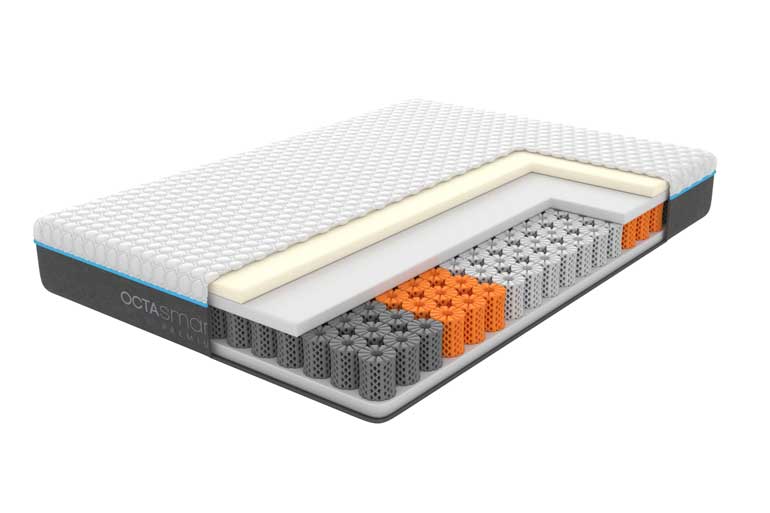
    In this type of construction, individually pocketed springs provide the underlying support and responsiveness, while the memory foam above adds contouring and cushioning.

    This can create a different feel from an all-foam mattress, retaining more of the bounce and responsiveness associated with springs while still providing the pressure-relieving characteristics of memory foam.

    6. Memory Foam Hybrid Mattresses

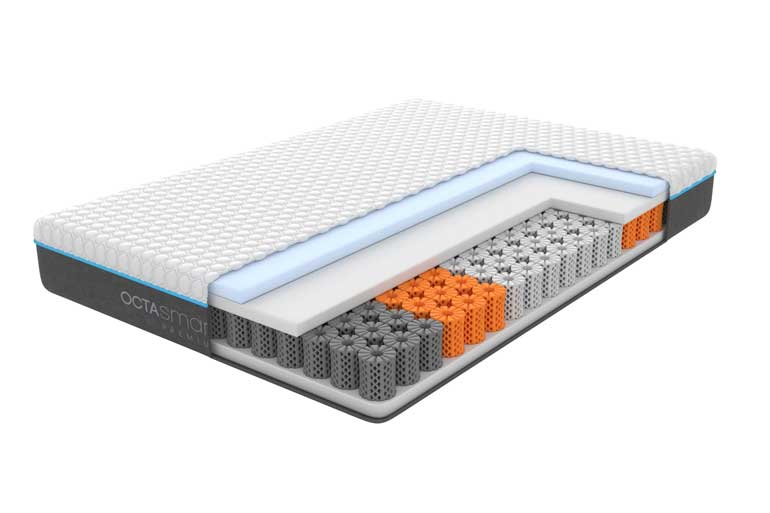
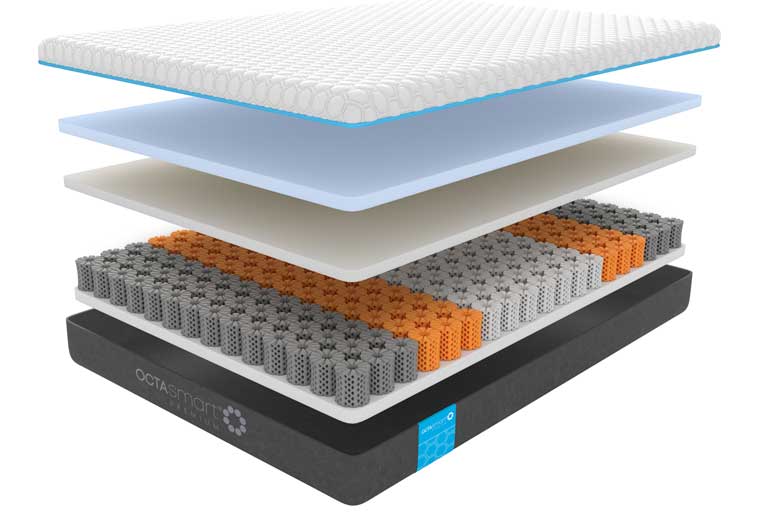
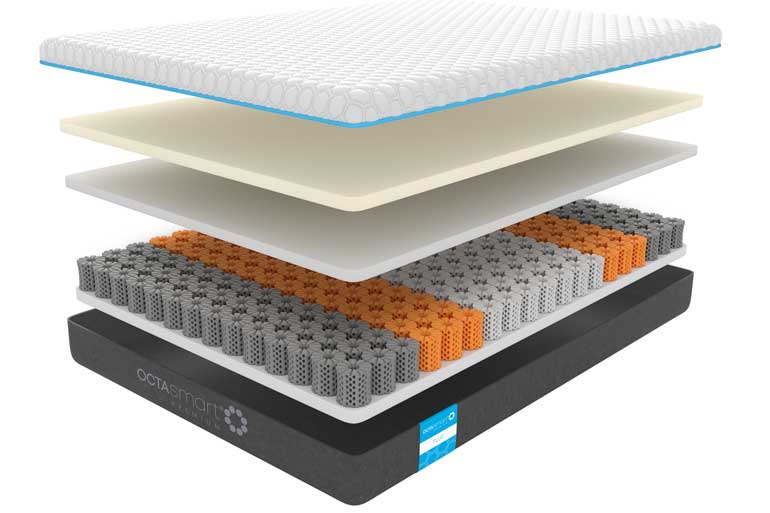
    Hybrid Mattresses often combine memory foam with pocket springs or other specialist support systems.

    Hybrid construction aims to blend the responsiveness of springs with the cushioning characteristics of foam. Some models may also include additional foam layers, cooling materials or specialist support zones.

    Because hybrid mattresses vary considerably, compare the full construction rather than assuming every memory foam hybrid will provide the same sleeping experience.

    7. Cool Gel Memory Foam

    Some mattresses incorporate gel or specialist cooling materials into the memory foam layer. You can explore these within our Cool Gel Memory Foam Mattresses.

    Cooling technologies may include gel-infused foam, ventilated structures, breathable covers or other materials designed to help manage heat and encourage airflow.

    The exact technology varies between manufacturers, so it's worth looking at the complete mattress construction rather than relying only on the presence of gel.

    8. Temperature and Breathability

    Traditional memory foam can retain more body heat than some fibre-based mattress fillings because of its dense structure and close contouring around the sleeper.

    Modern memory foam mattresses may incorporate open-cell foams, ventilation channels, breathable covers or cooling materials intended to improve airflow and temperature management.

    The spring section within a hybrid mattress can also create more open space within the mattress structure, allowing additional air movement compared with some solid foam designs.

    9. Memory Foam Mattresses for Couples

    Memory foam can be particularly useful for couples because the material absorbs and dampens movement across the sleeping surface.

    If one person changes position during the night, foam can help reduce the amount of that movement transferred across the mattress. When memory foam is combined with pocket springs, the independently moving springs can further reduce disturbance between sleepers.

    The actual level of motion isolation varies between mattress constructions, but it is one of the characteristics commonly associated with memory foam.

    10. Memory Foam and Sleeping Positions

    The contouring properties of memory foam can work with a variety of sleeping positions, but the appropriate firmness remains important.

    Side sleepers may appreciate additional cushioning around the shoulders and hips, while back and front sleepers may prefer a firmer underlying feel to prevent excessive sink.

    Body weight also affects how deeply someone sinks into the foam, so there isn't one memory foam firmness that suits every sleeper.

    11. Memory Foam Mattress Sizes

    Memory foam mattresses are available across many standard UK mattress sizes:

    Not every mattress is manufactured in every size, so always check the options available on the individual product page.

    12. Memory Foam Mattress Depth

    Memory foam mattresses vary considerably in depth. Some use a relatively thin memory foam layer over deeper support foam, while hybrids can combine foam with substantial spring systems.

    A deeper mattress isn't automatically better. What matters is the quality, density and purpose of the individual layers and how they work together.

    Depth should also be considered alongside the bed base and headboard, as a deep mattress can significantly increase the total height of the finished bed.

    13. Density and Foam Quality

    Memory foam density can influence the way the foam responds, its durability and the sensation it creates.

    Higher-density foam is often more substantial and can provide slower, deeper contouring, while lower-density foams may respond more quickly and feel lighter.

    Density alone doesn't determine whether a mattress will be comfortable. The thickness of the foam, the layers underneath and the overall mattress design are equally important.

    14. Edge Support

    All-foam mattresses can sometimes feel softer around the perimeter than sprung mattresses with reinforced borders.

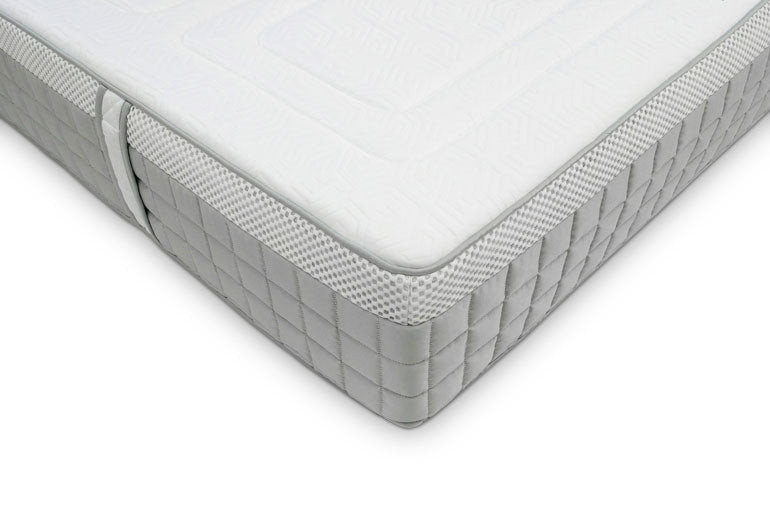
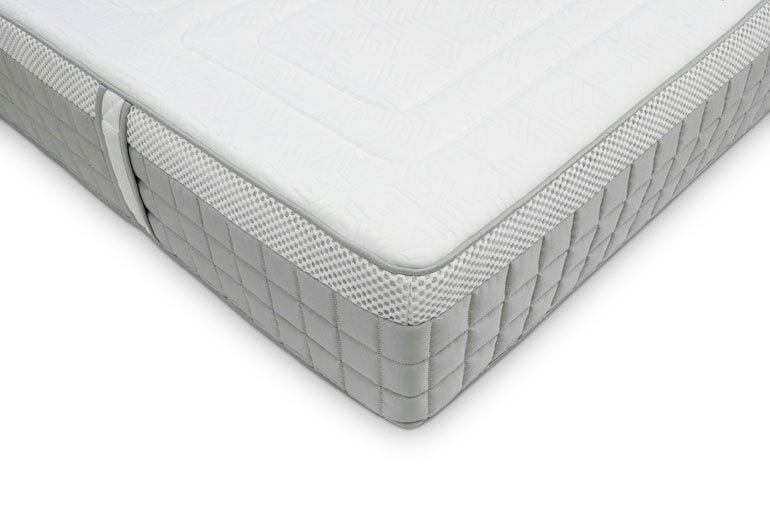
    Some memory foam mattresses therefore incorporate firmer foam edges or specialist border systems designed to create greater stability around the sides.

    Edge support can be particularly useful for couples who want to make maximum use of the mattress width or for anyone who regularly sits on the edge of the bed.

    15. The Bed Base and Mattress Feel

    The base beneath a memory foam mattress can influence its overall feel.

    • Platform-top divans provide a stable, firm supporting surface.
    • Sprung divan bases introduce additional cushioning beneath the mattress.
    • Sprung slats add some flexibility.
    • Solid slats generally provide firmer support.

    Memory foam mattresses also require suitable support underneath. Always check the manufacturer's recommendations regarding the type of base and maximum spacing between slats.

    16. Memory Foam and Ottoman Beds

    Memory foam mattresses can be used on compatible ottoman beds, provided the mattress size and weight are suitable for the lifting mechanism.

    All-foam mattresses may differ considerably in weight from deep pocket sprung hybrids, so the individual mattress specification should be checked rather than assuming all memory foam mattresses weigh the same.

    Ottoman gas-lift systems are designed to operate with an appropriate mattress weight range, so always follow the requirements of the individual bed.

    17. Rolled Memory Foam Mattresses

    Memory foam is particularly well suited to compression, which means many Rolled Mattresses incorporate foam within their construction.

    The mattress is compressed and rolled for easier transportation and handling, then allowed to expand after unpacking.

    Expansion time varies between mattresses, and the product should be allowed to recover in accordance with the manufacturer's instructions before its final depth and feel are assessed.

    18. Memory Foam and Natural Mattresses

    Memory foam and Natural Mattresses provide quite different approaches to mattress comfort.

    Memory foam relies on pressure-responsive foam to contour around the body, while natural mattresses commonly use materials such as wool, cotton and other fibres above a spring system.

    Natural upholstery can provide a more traditionally responsive feel, while memory foam generally offers more pronounced contouring. Neither approach is automatically better; the choice depends on the sleeping sensation and materials you prefer.

    19. Memory Foam and Orthopaedic Mattresses

    Orthopaedic Mattresses are generally associated with firmer support, while memory foam describes a particular comfort material.

    A memory foam mattress can therefore also have a firm or orthopaedic feel depending on its construction.

    These terms aren't opposites: one relates to material and construction, while the other generally describes the intended sleeping feel.

    20. Single-Sided Mattress Care

    Many memory foam mattresses are single-sided because the comfort foam is positioned above dedicated support layers.

    These mattresses are generally rotated from head to foot rather than turned over. Rotation helps encourage more even settlement and wear across the sleeping surface.

    Always follow the manufacturer's care instructions, as some memory foam mattresses may have different requirements.

    21. Mattress Protectors and Memory Foam

    A suitable mattress protector can help protect memory foam from spills, moisture and everyday wear.

    Because breathability can be an important consideration with foam mattresses, choose a protector that fits correctly and doesn't significantly restrict the intended airflow or change the feel of the sleeping surface.

    Check the mattress manufacturer's care and warranty instructions if you're unsure which type of protector is appropriate.

    22. Getting the Most from a Memory Foam Mattress

    Use the mattress on a suitable supportive base and follow the manufacturer's care instructions from the beginning.

    Allow rolled mattresses sufficient time to expand, rotate the mattress where required and use a suitable protector to help maintain the sleeping surface.

    When comparing memory foam mattresses, consider the foam depth, density, firmness, support system, cooling features and complete construction rather than focusing on memory foam alone.

    Frequently Asked Questions

    What is a memory foam mattress?
    A memory foam mattress uses pressure-responsive foam that softens slightly in response to body heat and weight, allowing the sleeping surface to contour around the body. It may use foam throughout its construction or combine memory foam with springs.

    Are memory foam mattresses good?
    They can be a good choice for sleepers who prefer a more contouring and cushioned sleeping surface. Memory foam can provide pressure relief and reduce movement transfer, although the firmness and overall feel vary considerably between mattresses.

    What are the disadvantages of a memory foam mattress?
    Some sleepers find the contouring sensation too enveloping, and traditional dense memory foam can retain more body heat than some fibre-based mattress fillings. Memory foam mattresses can also vary significantly in response speed, weight and edge support.

    Do memory foam mattresses get hot?
    Some traditional memory foams can retain body heat because of their dense structure and close contouring. Modern mattresses may use open-cell foam, ventilation channels, breathable covers or gel-infused materials to help manage temperature.

    Are memory foam mattresses good for side sleepers?
    They can be. The contouring properties of memory foam can provide cushioning around pressure-sensitive areas such as the shoulders and hips. The most suitable firmness depends on body weight and personal comfort preference.

    Are memory foam mattresses good for back sleepers?
    Memory foam can suit back sleepers where the mattress provides an appropriate balance of contouring and underlying support. Firmer or medium-firm constructions may appeal to sleepers who prefer less sink.

    Are memory foam mattresses good for couples?
    They can be particularly useful for couples because foam absorbs movement and can reduce the amount of motion transferred across the mattress. Designs that combine memory foam with pocket springs can provide additional independent response.

    Is memory foam better than pocket sprung?
    Neither is automatically better. Memory foam generally provides more contouring and motion isolation, while a traditionally upholstered pocket sprung mattress can provide greater bounce and responsiveness. The right choice depends on the sleeping feel you prefer.

    Is memory foam better than a hybrid mattress?
    It depends on your preference. An all-foam memory foam mattress can provide a more consistently contouring feel, while a hybrid combines foam with springs and generally provides additional responsiveness and bounce.

    How thick should memory foam be in a mattress?
    There isn't one ideal memory foam depth. A thinner layer can provide gentle contouring, while a deeper layer may create a more pronounced body-hugging feel. Density, support layers and overall mattress construction are just as important as foam thickness.

    Do memory foam mattresses sag?
    Like all mattresses, memory foam can show wear and settlement over time. Correct support, regular rotation where recommended and choosing a well-constructed mattress can help encourage more even wear.

    How long does a memory foam mattress last?
    There is no fixed lifespan for every memory foam mattress. Durability depends on foam quality and density, mattress construction, frequency of use, the sleeper, the supporting bed base and how well the mattress is cared for.

    Do memory foam mattresses need to be turned?
    Many are single-sided and should be rotated rather than turned because the memory foam comfort layer is positioned above dedicated support layers. Always follow the manufacturer's care instructions for the individual mattress.

    How often should I rotate a memory foam mattress?
    Rotation schedules vary between manufacturers. New mattresses may require more frequent rotation during their initial settling period before moving to a less frequent routine, so follow the instructions supplied with your mattress.

    Can you put a memory foam mattress on a slatted bed?
    Usually, provided the slats offer suitable support and the spacing meets the mattress manufacturer's requirements. Gaps that are too wide may not adequately support some foam mattresses.

    Can you put a memory foam mattress on an ottoman bed?
    Yes, provided the mattress is the correct size and its weight is suitable for the ottoman lifting mechanism. Always check the requirements of the individual bed.

    Can memory foam mattresses come rolled?
    Yes. Memory foam mattresses are commonly compressed and rolled for easier transportation and handling, although some are supplied flat depending on their construction.

    How long does a memory foam mattress take to expand?
    Expansion time varies between manufacturers and constructions. Some mattresses recover much of their shape relatively quickly, while others may need additional time to reach their intended depth and feel. Follow the manufacturer's unpacking instructions.

    Why does a new memory foam mattress smell?
    Some new foam mattresses can have a temporary new-product odour after unpacking, particularly when supplied compressed. Allowing the mattress to air in a well-ventilated room and following the manufacturer's unpacking guidance can help.

    Can you use an electric blanket with a memory foam mattress?
    This depends on the mattress and electric blanket manufacturer. Memory foam can be sensitive to heat, so always check the care instructions before using an electric blanket or heated mattress protector.

    Is a firmer memory foam mattress better for your back?
    Not necessarily. A firmer mattress isn't automatically more suitable for every sleeper. The appropriate balance of comfort and support depends on body weight, sleeping position, personal preference and the complete mattress construction.