
Beds
  • Mattresses
  • Add description, images, menus and links to your mega menu

  • A column with no settings can be used as a spacer

  • Link to your collections, sales and even external links

  • Add up to five columns

  • Free UK Delivery - To room of choice Klarna Buy Now, Pay Later with Klarna Free Fabric Samples Over 20 Years of Experience & Rated Excellent Free UK Delivery Klarna Buy Now, Pay Later with Klarna Free Fabric Samples Over 20 Years of Experience & Rated Excellent

    3ft Single Mattresses

    3ft Single Mattresses: The Ultimate Buying Guide

    A 3ft single mattress is one of the most versatile UK mattress sizes, suitable for adults, teenagers, children and guest bedrooms. Measuring approximately 3ft x 6ft3 (92cm x 190cm), it provides a full-length sleeping surface for one person while remaining compact enough for smaller bedrooms.

    Choosing the right single mattress involves more than simply finding the correct size. Firmness, spring system, fillings, mattress depth and the type of bed base underneath can all influence how supportive and comfortable the finished bed feels.

    1. What Size Is a 3ft Single Mattress?

    A standard UK single mattress measures approximately 3ft x 6ft3 (92cm x 190cm).

    It is around 6 inches wider than a 2ft6 small single mattress:

    • 2ft6 Small Single: approximately 2ft6 x 6ft3 (76cm x 190cm)
    • 3ft Single: approximately 3ft x 6ft3 (92cm x 190cm)

    Both are approximately the same length, but the additional width of a 3ft single provides more room to move during the night.

    2. Who Is a 3ft Single Mattress Suitable For?

    A 3ft single mattress is a practical choice for a wide variety of sleepers and bedrooms, including:

    • Adults sleeping alone
    • Teenagers and older children
    • Guest bedrooms
    • Standard single divan beds
    • Wooden and upholstered single bed frames
    • Some bunk beds, cabin beds and high sleepers designed for a standard single mattress

    Always check the dimensions and mattress requirements of the individual bed before ordering, particularly for raised children's beds.

    3. Single Mattress vs Small Single Mattress

    The main difference is width. A 2ft6 small single measures approximately 2ft6 x 6ft3 (76cm x 190cm), while a standard single measures approximately 3ft x 6ft3 (92cm x 190cm).

    The additional 6 inches of width can make a noticeable difference to sleeping comfort, particularly for adults and teenagers who have enough bedroom space for a standard single.

    4. Understanding Mattress Firmness

    Firmness describes how soft or firm a mattress feels when you lie on it. It shouldn't be confused with support, as a mattress can provide good underlying support while still having a softer comfort surface.

    Our mattress ranges include soft mattresses, medium mattresses, medium-firm mattresses and firm mattresses.

    Soft

    A softer mattress provides greater cushioning and generally allows more initial sink into the comfort layers. This creates a more enveloping sleeping surface.

    Medium

    A medium mattress balances cushioning with a supportive feel and is a popular all-round comfort choice.

    Medium-Firm

    A medium-firm mattress provides a slightly more supportive surface while retaining some cushioning. It can suit sleepers who don't want either a particularly soft or very firm mattress.

    Firm

    A firm mattress provides a more solid sleeping surface with less initial sink. Some sleepers simply prefer the sensation of sleeping on a firmer mattress.

    Firmness is subjective. Body weight, sleeping position, mattress construction and the base underneath can all influence how firm the same mattress feels to different people.

    5. Firmness Isn't the Same as Support

    A firmer mattress isn't automatically more supportive. The internal spring or foam system provides much of the underlying support, while upholstery and comfort layers influence the surface feel.

    For example, a supportive pocket spring unit can sit beneath softer comfort layers, creating a mattress that feels cushioned while still responding effectively to the sleeper's weight.

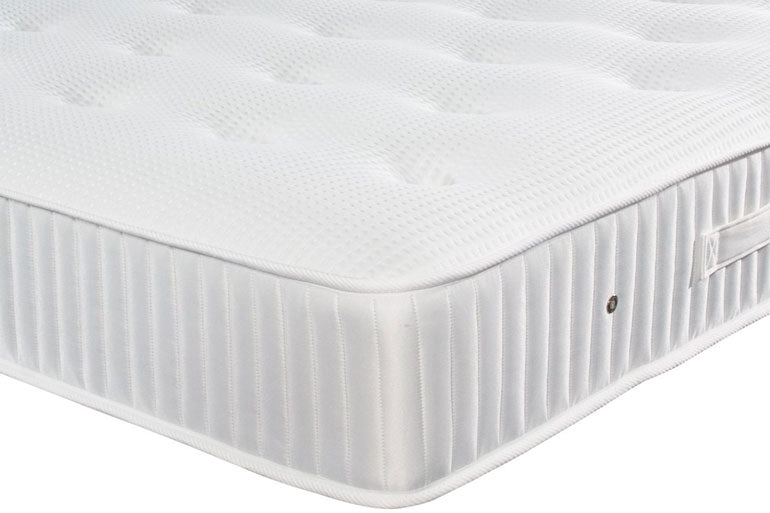
    6. Pocket Sprung Single Mattresses

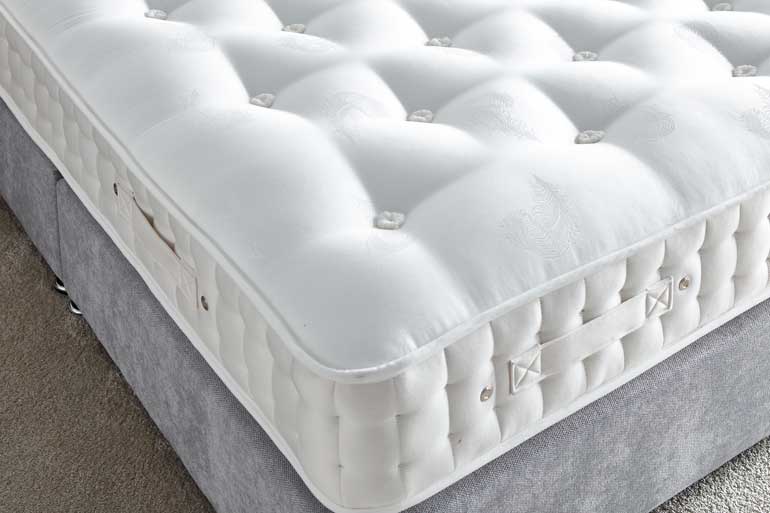
    Pocket sprung mattresses contain individual springs enclosed within separate fabric pockets. Each spring can respond more independently to the pressure placed upon it than a connected spring system.

    This can help the mattress adapt more closely to the sleeper and provide more individualised support across the sleeping surface.

    Spring count shouldn't be considered in isolation. Spring construction, wire gauge, upholstery and comfort layers all contribute to how the finished mattress feels and performs.

    7. Open Coil Single Mattresses

    An open coil mattress uses a connected spring unit rather than separate pocket springs. It is a traditional and widely used mattress construction that can provide comfortable support at a more accessible price point.

    Open coil designs can work particularly well for children's beds, guest bedrooms and value-focused mattress ranges, although quality and comfort vary between individual products.

    8. Memory Foam Single Mattresses

    Memory foam mattresses use pressure-responsive foam that moulds around the body. This can create a more contouring and enveloping feel than traditional fibre upholstery.

    The amount, density and depth of memory foam vary between mattresses, as does the support system underneath it. Some designs are all-foam, while others combine memory foam with springs.

    9. Cool Gel Memory Foam Mattresses

    Cool gel memory foam mattresses combine pressure-responsive foam with gel or other temperature-management technologies.

    The exact construction varies by mattress, so compare the full specification rather than assuming every cool gel mattress uses the same materials or provides the same feel.

    10. Hybrid Mattresses

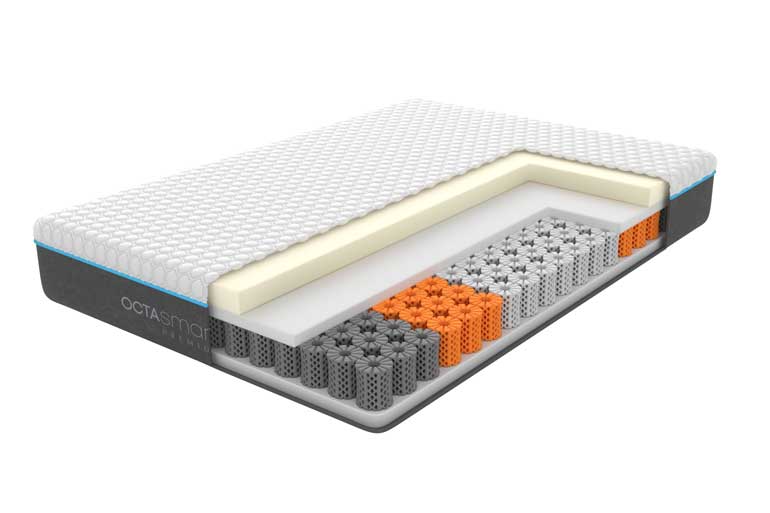
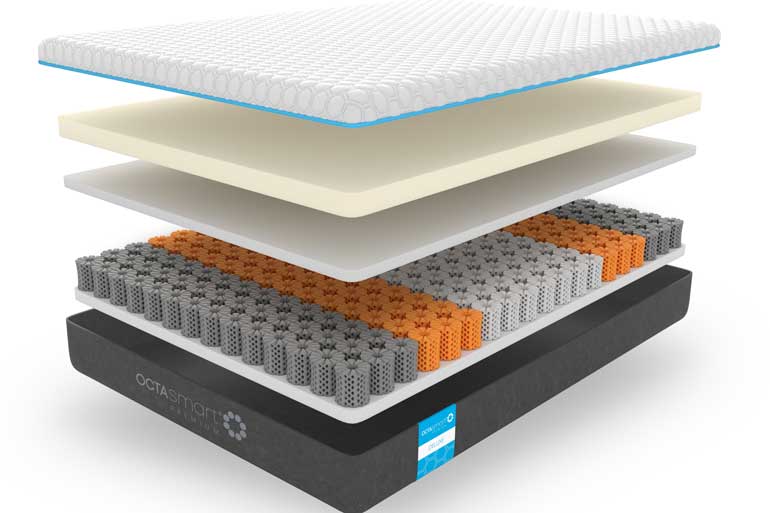
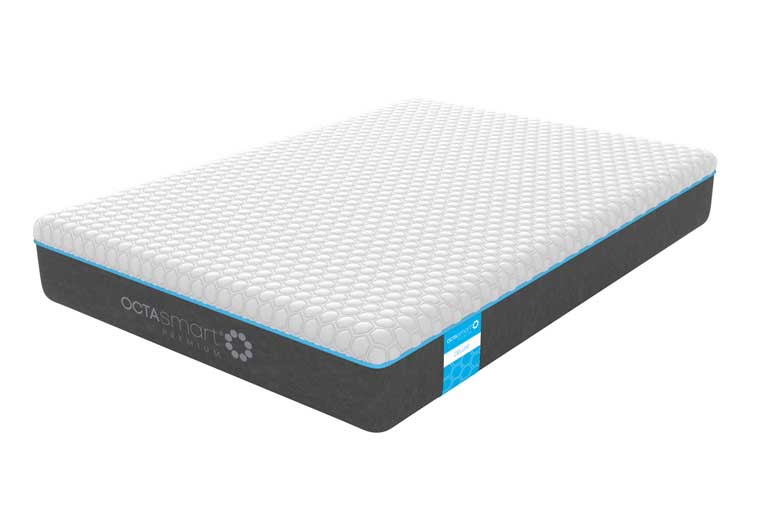
    A hybrid mattress combines different support and comfort technologies within one design. A common example is a pocket spring system combined with memory foam, gel foam or another performance comfort layer.

    Hybrid construction can provide a balance of spring responsiveness and cushioning, but there is no single standard hybrid feel. Compare the actual materials, firmness and layers of the individual mattress.

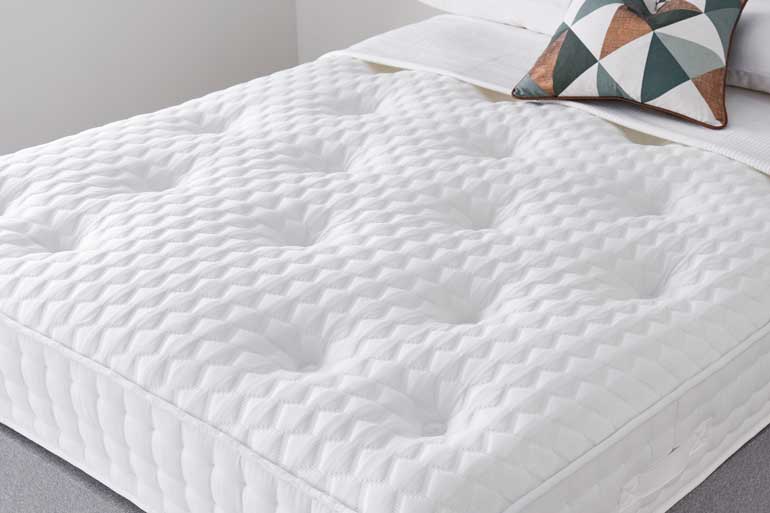
    11. Natural Mattress Fillings

    Natural mattresses can incorporate materials such as wool, cotton and other natural fibres within the comfort layers.

    Natural materials are often valued for their breathability and comfort and are frequently combined with pocket spring systems in traditionally upholstered mattresses.

    The amount and type of natural filling can vary considerably, so check the individual product specification if natural content is particularly important to you.

    12. Synthetic & Performance Fillings

    Many single mattresses use engineered fibres and foams designed to provide cushioning, resilience, pressure relief or improved airflow.

    These aren't automatically inferior to natural fillings. Modern performance materials can be designed for very specific comfort characteristics, and the overall mattress construction matters more than any single filling in isolation.

    13. What Is an Orthopaedic Mattress?

    Orthopaedic mattresses are commonly designed with a firmer and more supportive feel. The term doesn't describe one specific spring system or filling.

    A very firm mattress isn't automatically the best choice for everyone, so consider your preferred comfort level and the complete mattress construction rather than relying on the orthopaedic description alone.

    14. Rolled Single Mattresses

    Rolled mattresses are compressed and rolled to make delivery and handling easier. After unpacking, they gradually expand towards their intended shape and depth.

    Rolled packaging doesn't determine mattress quality or firmness. Foam, pocket sprung and hybrid mattresses can all be supplied rolled depending on their construction.

    15. Mattress Depth

    Single mattresses are available in a wide variety of depths. A deeper mattress may contain additional spring or comfort layers, but depth alone doesn't determine the quality or comfort of a mattress.

    Mattress depth becomes particularly important with bunk beds, cabin beds, mid sleepers and high sleepers, where the height of the mattress can affect the amount of safety rail remaining above the sleeping surface.

    Always follow the bed manufacturer's specified maximum mattress depth.

    16. Single Mattresses for Bunk Beds & High Sleepers

    Many bunk beds and raised children's beds are designed around a standard 3ft x 6ft3 (92cm x 190cm) mattress, but you should never assume that every standard single mattress is suitable.

    The maximum mattress depth can be critical because a mattress that is too deep may reduce the effective height of the safety rails. Always use a mattress that meets the requirements specified for the individual bed.

    17. Does the Bed Base Affect Mattress Feel?

    Yes. The base underneath the mattress can influence how the finished bed feels.

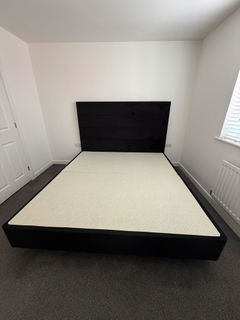
    A platform-top divan provides firm, stable support and can make the mattress feel slightly firmer.

    A sprung divan base incorporates additional cushioning and can create a softer, more responsive overall feel.

    Sprung slats provide some flexibility, while solid slats generally create a firmer supporting surface.

    This means the same mattress can feel different when used on different types of bed base.

    18. Check the Slat Spacing

    If you're using the mattress on an existing bed frame, check the mattress manufacturer's requirements for the distance between the slats.

    Slat gaps that are too wide can provide insufficient support for some mattresses and may affect performance or warranty conditions, particularly with pocket sprung and foam designs.

    19. Single-Sided vs Double-Sided Mattresses

    A single-sided mattress has one sleeping surface and generally requires rotation from head to foot.

    A double-sided mattress has two usable sleeping surfaces and can normally be turned over as well as rotated.

    Always follow the care instructions supplied with your mattress, as turning and rotating requirements vary between products.

    20. How Often Should You Rotate a Mattress?

    This depends on the individual mattress. New mattresses may require more frequent rotation during the initial settling period before moving onto a less frequent maintenance routine.

    Some mattresses should be rotated only, while double-sided designs may need both turning and rotating. Always follow the manufacturer's recommendations.

    21. Measuring for a 3ft Single Mattress

    If you're replacing an existing mattress, measure the inside sleeping area of the bed frame rather than the external size of the complete bed.

    A standard UK single mattress measures approximately 3ft x 6ft3 (92cm x 190cm). Older, imported or specialist beds may use different dimensions, so check carefully before ordering.

    22. Choosing a Single Mattress for a Child or Teenager

    A 3ft single mattress provides a full-size sleeping surface and can be a practical long-term option as a child grows into their teenage years.

    Rather than automatically choosing the firmest available mattress, consider the sleeper's comfort, the mattress construction, breathability and the type of bed base underneath.

    For bunk beds and raised beds, always check the maximum permitted mattress depth.

    23. Choosing a Single Mattress for an Adult

    A standard 3ft single provides a full-length sleeping surface suitable for one adult where the bed and mattress meet their requirements.

    Adults may particularly benefit from comparing firmness, support system and mattress width rather than selecting purely by price or mattress depth. Pocket sprung and hybrid designs can provide a broader range of comfort options for everyday use.

    24. Choosing a Single Mattress for a Guest Room

    A guest mattress should balance comfort, practicality and how frequently the bed will be used.

    A medium or medium-firm mattress can provide a versatile feel for a range of sleepers, although there is no single firmness that suits everyone. If the guest bed is used regularly, it can be worth investing in a more substantial pocket sprung or hybrid design.

    25. Getting the Most from Your New Mattress

    Use your mattress on a suitable supporting base and follow the manufacturer's care instructions from the beginning.

    A mattress protector can help protect the sleeping surface from spills, moisture and everyday wear, while regular turning or rotation – where required – can help the fillings settle and wear more evenly.

    Most importantly, compare the complete mattress construction, comfort feel and intended use rather than relying on a single feature such as firmness, spring count or depth.

    Frequently Asked Questions

    What size is a 3ft single mattress?
    A standard UK single mattress measures approximately 3ft x 6ft3 (92cm x 190cm). Always check the mattress size specified for your bed before ordering, particularly with older or specialist bed frames.

    Is a 3ft mattress the same as a standard single?
    Yes. In the UK, a 3ft mattress is the standard single mattress size and measures approximately 3ft x 6ft3 (92cm x 190cm).

    Can an adult sleep on a 3ft single mattress?
    Yes. A standard single mattress provides a full-length sleeping surface suitable for one adult, provided the mattress and bed are appropriate for the sleeper's individual requirements.

    Are 3ft single mattresses suitable for children and teenagers?
    Yes. A standard single can be a practical long-term mattress size for children and teenagers because it provides a full-size sleeping surface that can continue to be used as they grow.

    Can I use any 3ft single mattress on a bunk bed?
    No. Although many bunk beds use a standard 3ft x 6ft3 mattress, the mattress must also comply with the maximum depth specified by the bed manufacturer. A mattress that is too deep can reduce the effective height of the safety rails.

    What firmness is best for a single mattress?
    There is no single firmness that is best for everyone. The right comfort level depends on factors including body weight, sleeping position, personal preference, mattress construction and the base underneath it.

    Is a pocket sprung single mattress better than an open coil mattress?
    They have different constructions. Pocket springs respond more independently to pressure, while an open coil mattress uses a connected spring system. Overall comfort and quality depend on the complete mattress construction rather than the spring type alone.

    Is a higher spring count better?
    Not necessarily. Spring count is only one specification. Spring design, wire gauge, comfort fillings and overall mattress construction all contribute to the finished comfort and support.

    Can I use a memory foam mattress on a single bed?
    Yes, provided the mattress is the correct size and the bed base provides suitable support. Check any manufacturer requirements relating to slat spacing or ventilation before ordering.

    Can I put a new single mattress on my existing bed?
    Potentially, provided the bed is designed for a standard 3ft x 6ft3 (92cm x 190cm) mattress and the base is in suitable condition. Check the internal bed dimensions and any mattress requirements relating to the support system.

    Do single mattresses need to be turned?
    This depends on the individual mattress. Double-sided mattresses may require turning and rotating, while single-sided designs are usually rotated only. Always follow the manufacturer's care instructions.

    Should I use a mattress protector?
    A suitable mattress protector can help protect the mattress from spills, moisture and everyday wear. It can also help keep the sleeping surface cleaner, although you should always follow any specific care and warranty guidance supplied with the mattress.